
Conway setback tightens New Zealand’s batting choices against India
Conway’s concussion adds to the absences of Chapman and Ravindra. The selection challenge reaches beyond a straight swap of names in the batting order.

New Zealand’s batting choices for the India ODI series have narrowed again after Devon Conway was ruled out of the opening match with concussion. His absence sits alongside two longer disruptions: Mark Chapman and Rachin Ravindra are unavailable for the five-match series.
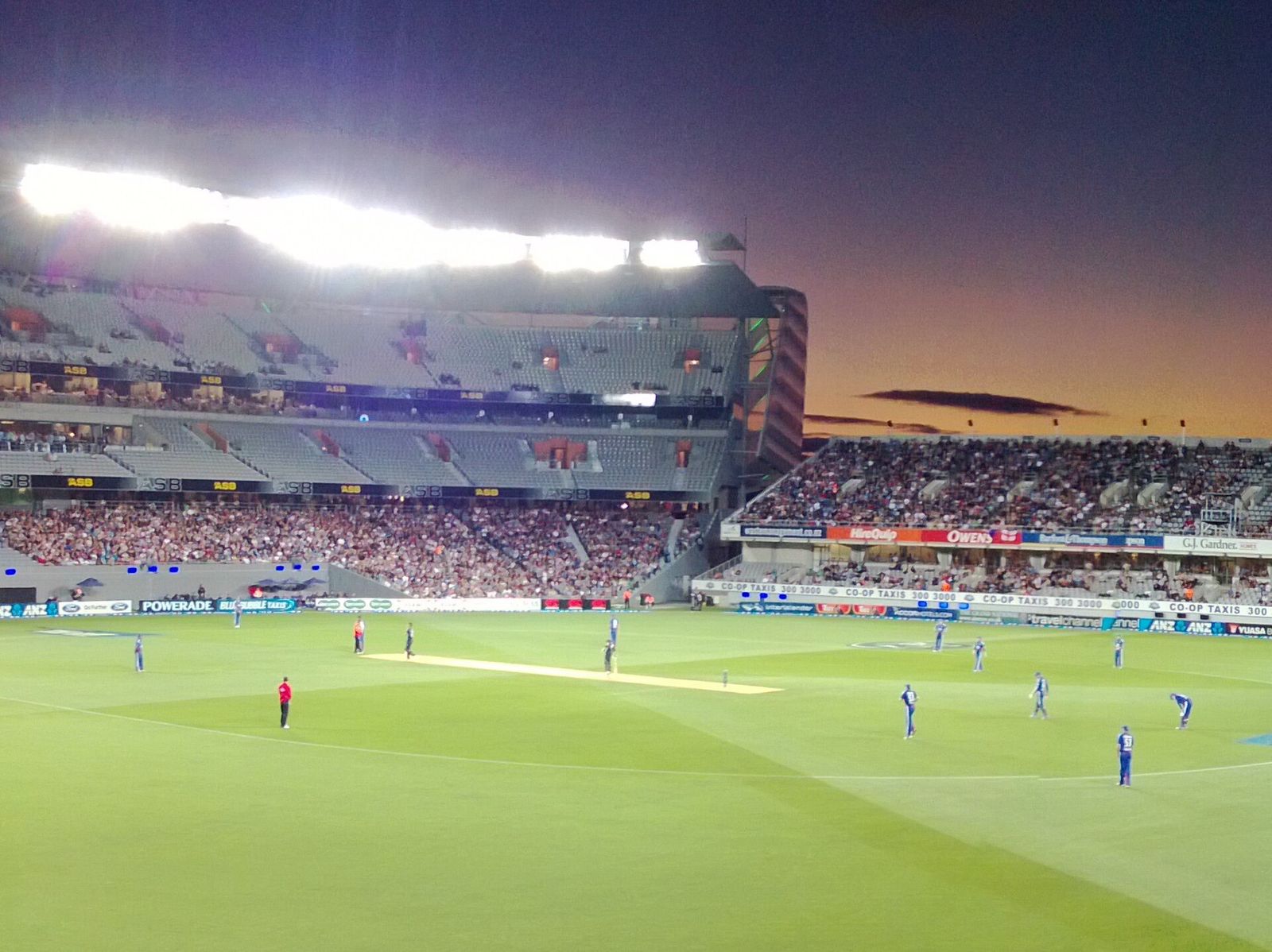
NZC’s 3 November statement said Conway and Matt Henry collided while attempting a catch during training at Eden Park. Both received head-injury assessments. Further examination confirmed Conway’s concussion. The notice said both players would continue to be monitored; it did not announce Henry’s exclusion from the opening ODI.
Replacements need jobs as well as places
The earlier squad changes give New Zealand some flexibility. Tim Seifert, initially selected for the last two ODIs, is available throughout the series. Henry Nicholls was added for the first three matches and Dean Foxcroft for the final two. NZC confirmed those changes on 2 November.
Nicholls arrives with a recent 119 for Canterbury against Wellington in the Ford Trophy, noted by NZC when he was recalled. It gives his return a current performance behind it. The harder selection question is where an incoming batter can do the most useful work without forcing unnecessary movement around him.
An ODI batting plan connects several jobs: getting through the new ball, keeping the innings moving and preserving enough options for the closing overs. Filling a vacancy can shift responsibility for each of them. The value of a replacement will depend partly on how clearly that job is defined.
Fielding is part of the availability decision
NZC identified Chapman’s hamstring and Ravindra’s shoulder as the reasons for their series absences. Its explanation of Ravindra’s situation specifically referred to his ability to field comfortably. That detail makes the selection problem broader than whether a batter can spend time at the crease.
A one-day side has to function across an entire innings in the field. The captain needs players who can take their assigned positions, move between them and stay involved throughout the day. A convincing batting combination still needs to work as a fielding unit.
There is also a difference between replacing players for one match and planning through a series. Temporary adjustments can be kept narrow. Longer absences give the selectors a reason to decide which roles should remain stable from game to game, even when the available names change.
The useful test against India is therefore the coherence of New Zealand’s choices: who takes responsibility at the top, how the middle order is protected from unnecessary movement, and whether the side can carry its batting plan into the field. The injury announcements explain the constraint. Selection and execution will determine the response.
Sources
New Zealand Cricket: 2026-11-03
Have a correction or a story to share? Contact CricMania →